
Every Neighborhood Tells the Real Story
THE SNOW REPORT | Q2 2026
The headlines say one thing. Your neighborhood may be saying another.
If you only looked at the headlines, you'd think San Francisco had one market. It doesn't.
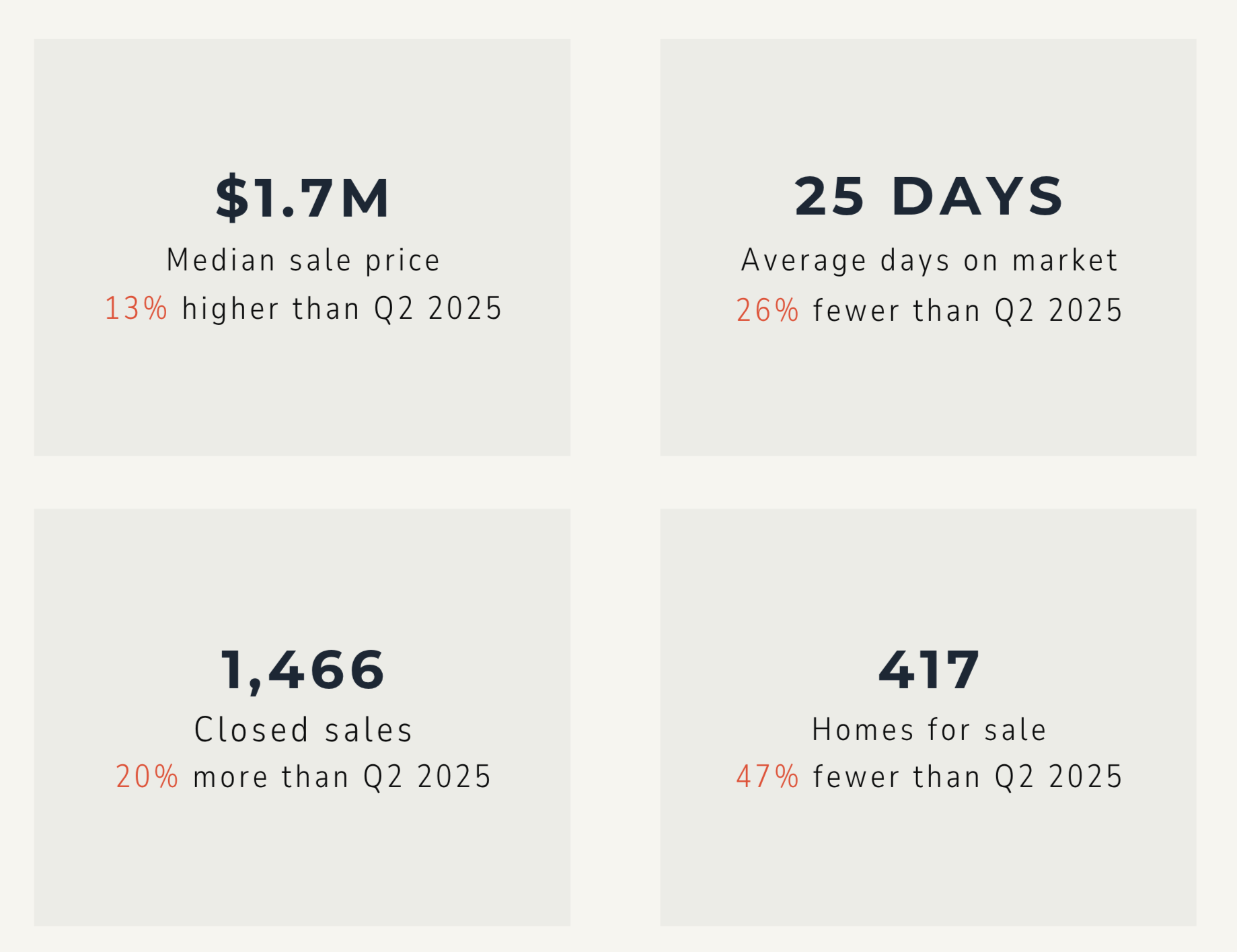
More homes sold. They sold faster. Prices rose. And buyers had fewer homes to choose from.
But those citywide numbers only tell part of the story.
The real estate market continues to behave very differently depending on price, property type, condition, and most importantly — neighborhood. In some segments, buyers are competing for an exceptionally small number of available homes. In others, they have more choice and considerably more negotiating power.
That's why I've never found broad statements about "the San Francisco market" particularly useful. A two-bedroom condo downtown, a single-family home in Miraloma Park, and a view home in Twin Peaks may all be in the same city, but they're not competing with one another—and buyers aren't making decisions the same way in each.
Here's what stood out to me—and what I'm watching as we head toward the fall market.
Q2 at a Glance
The Biggest Story: Inventory
Buyers had fewer homes to choose from—and the shortage was particularly acute in some price ranges.
The difference by price point is striking:
The numbers reinforce something I've been seeing on the ground all year: good homes in the $1 million to $5 million range are attracting serious competition.
The $3 million to $5 million segment was particularly tight in Q2, with just 0.2 months of inventory. 83% of sales closed over asking price, and the average home sold for 125% of its list price.
But a strong market doesn't mean every home sells itself. Condition, preparation, pricing, architecture, views, outdoor space, and even the way a home is presented can create dramatically different outcomes.
Neighborhoods Spotlight
Every neighborhood has its own personality, but one thing hasn't changed: homes that are thoughtfully priced, carefully prepared, and marketed well continue to outperform. The numbers below show how that played out in a few of the neighborhoods I watch most closely.
MIRALOMA PARK
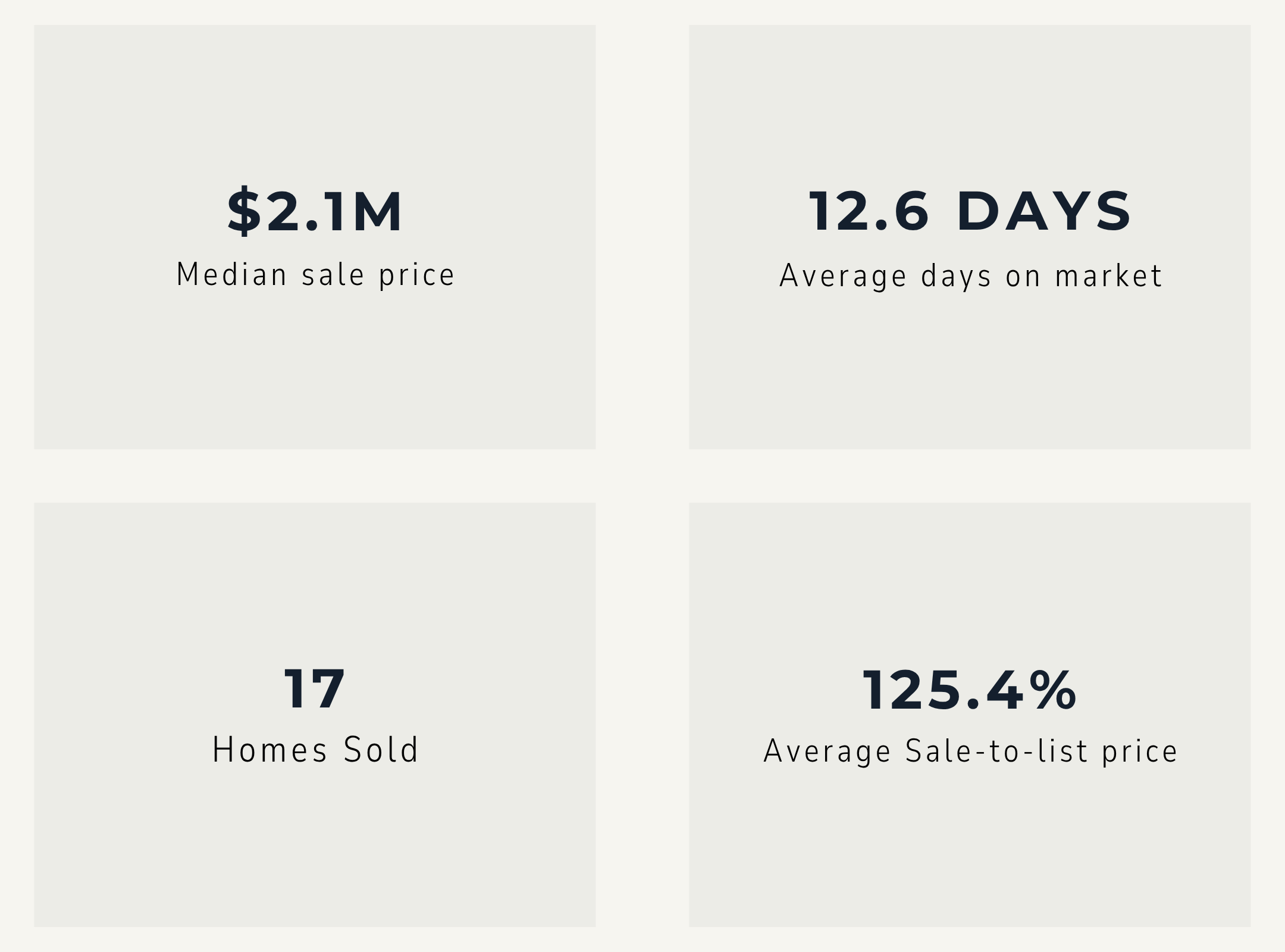
Miraloma Park continues to draw buyers looking for larger homes, views, and a strong neighborhood feel. Competition remains healthy, particularly for updated homes with flexible living space and outdoor areas.
MIDTOWN TERRACE
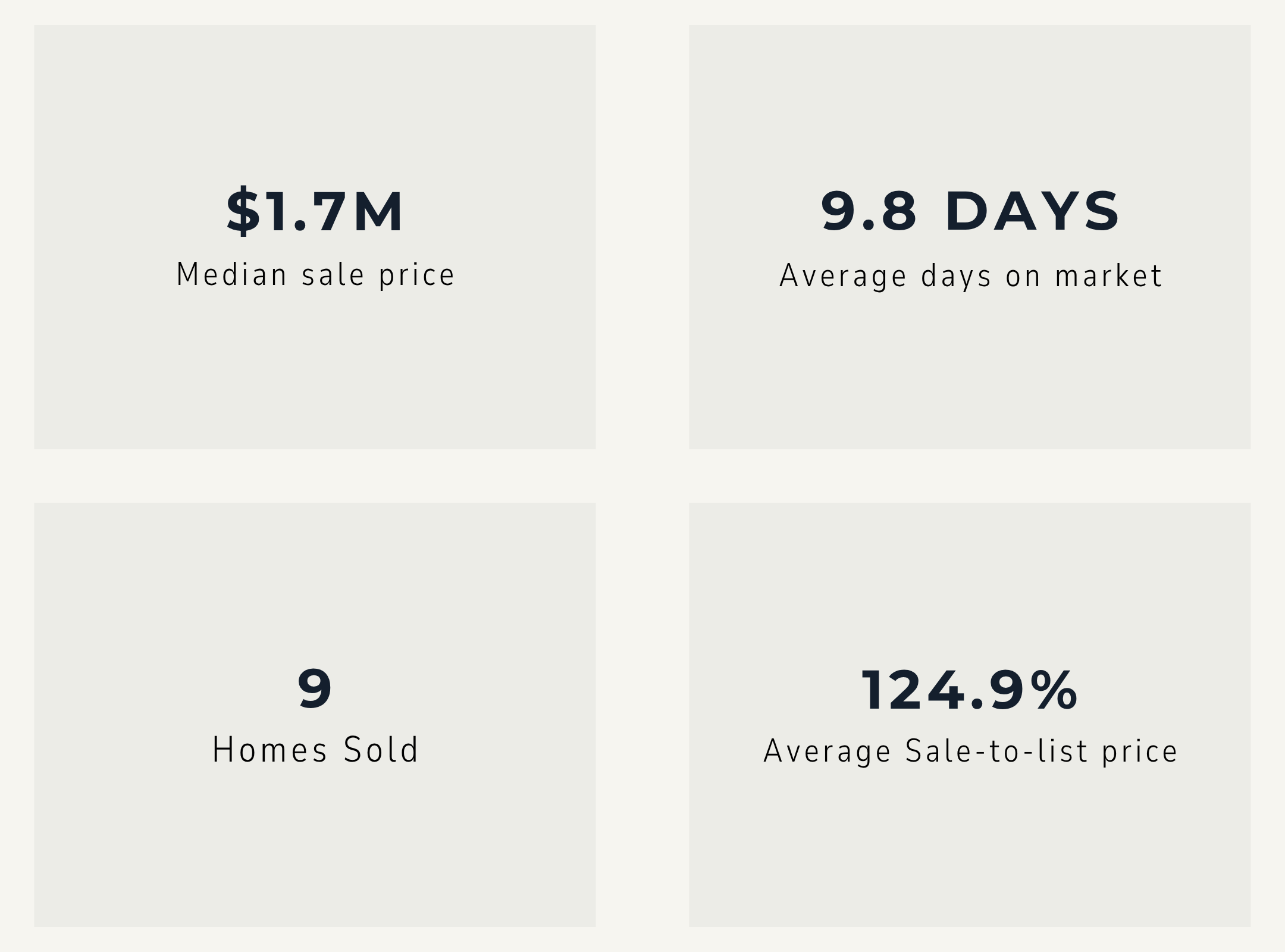
Midtown Terrace remains one of the city's most competitive hillside neighborhoods. Its quiet streets, mid-century homes, and central location continue to attract buyers looking for space without leaving San Francisco.
FOREST KNOLLS
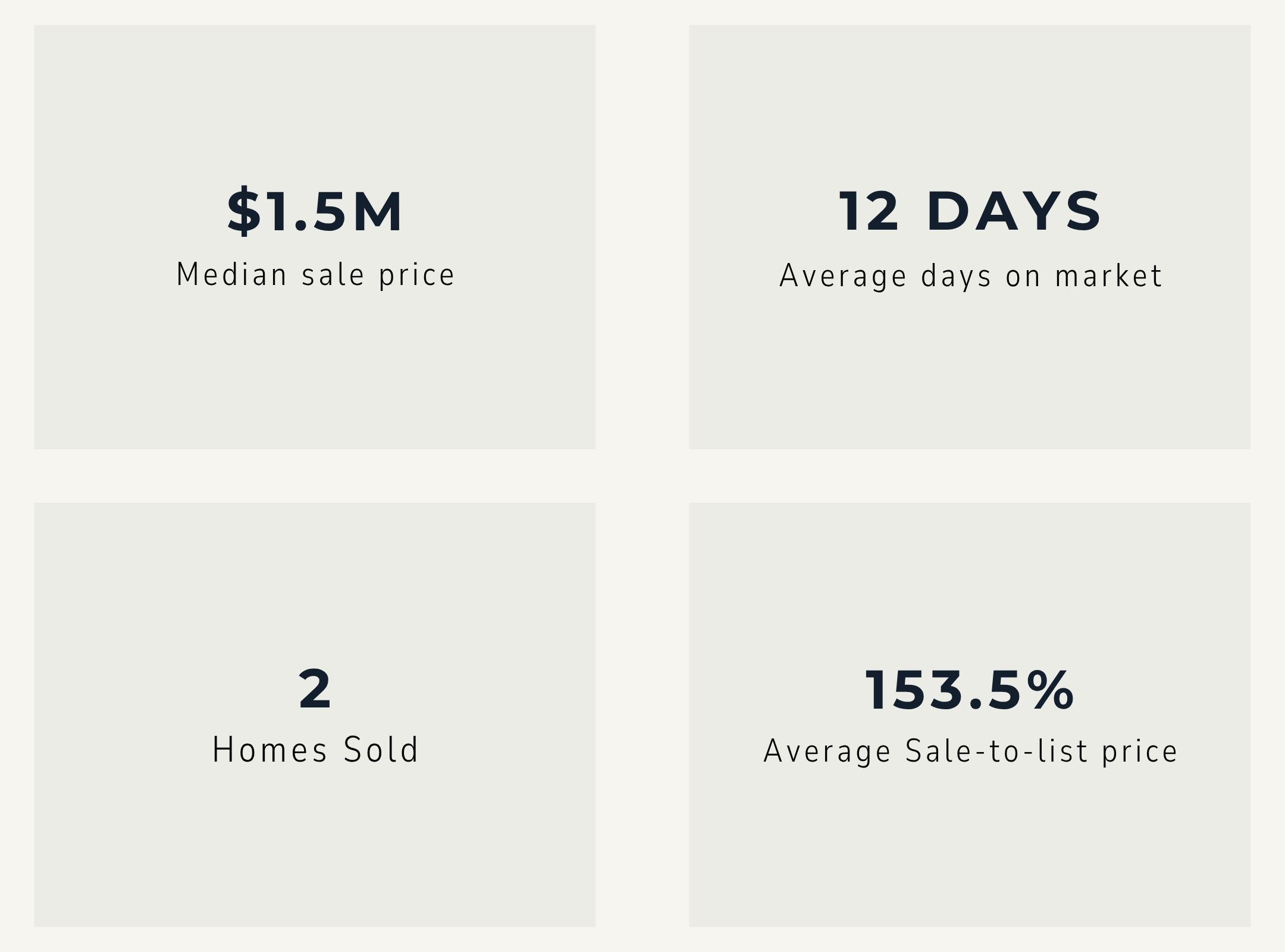
Forest Knolls remains one of San Francisco's most tightly held neighborhoods, with very few homes coming to market each year. That limited supply continues to create strong interest whenever a home becomes available.
FOREST HILL
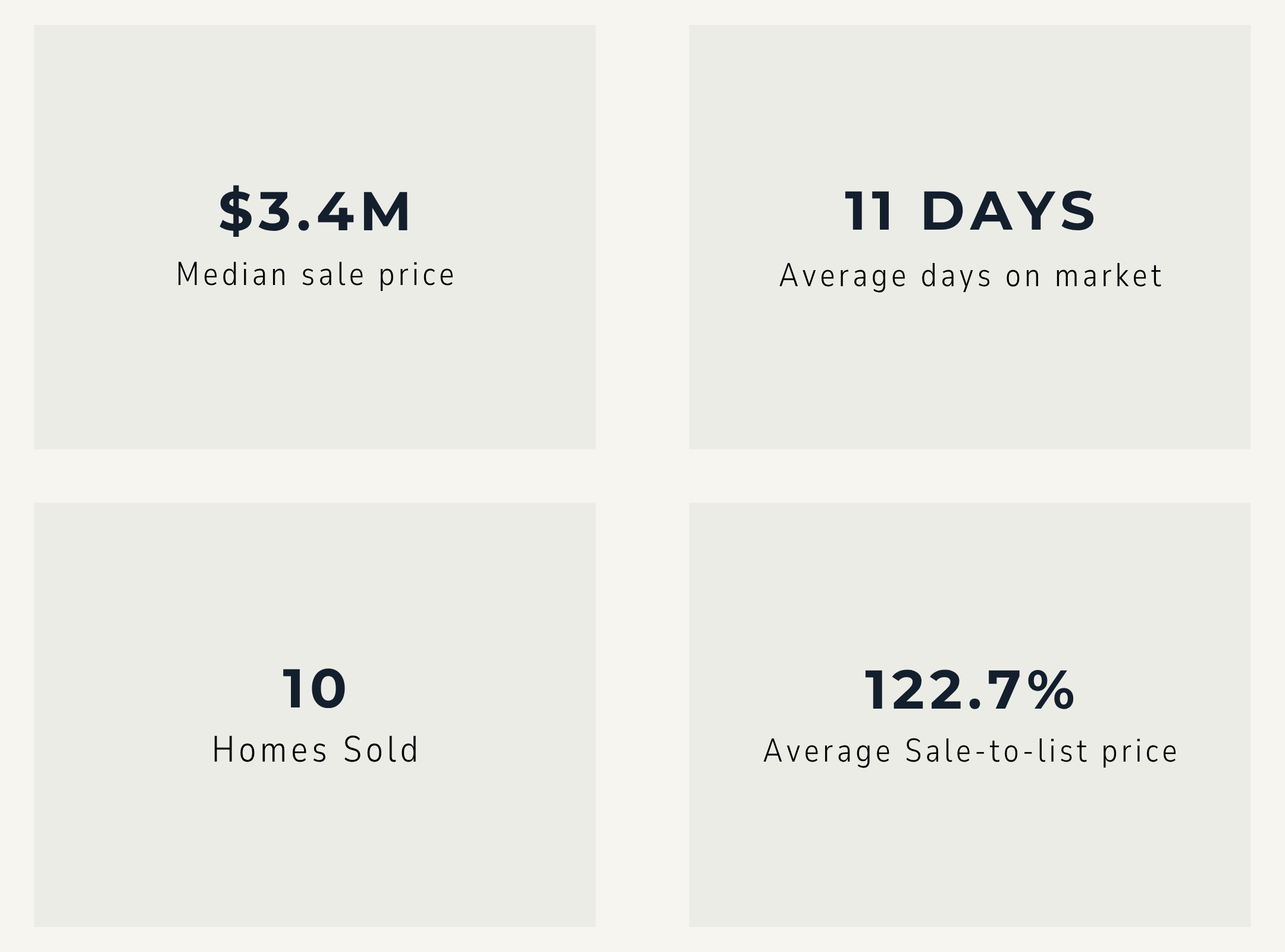
Forest Hill continues to be one of San Francisco's most sought-after neighborhoods, where timeless architecture, larger homes, and a peaceful setting have long attracted discerning buyers. Inventory remains limited, so each new listing tends to draw a lot of attention.
FOREST HILL EXTENSION
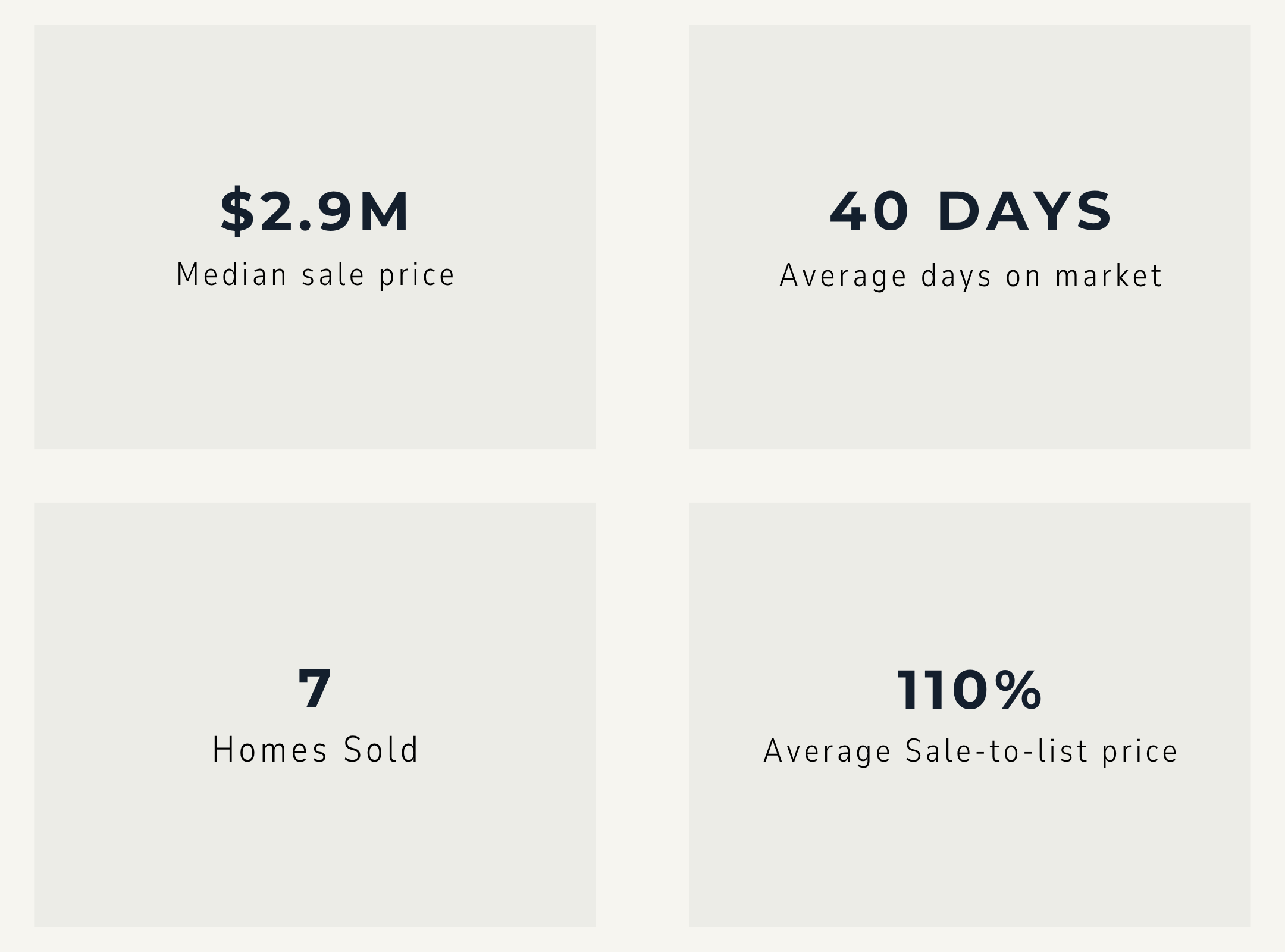
Forest Hill Extension continues to attract buyers seeking larger homes, quiet streets, and a strong sense of community. While homes are taking a bit longer to sell than in neighboring areas, demand remains steady for well-located properties in this tightly held neighborhood.
DIAMOND HEIGHTS SINGLE FAMILY HOMES
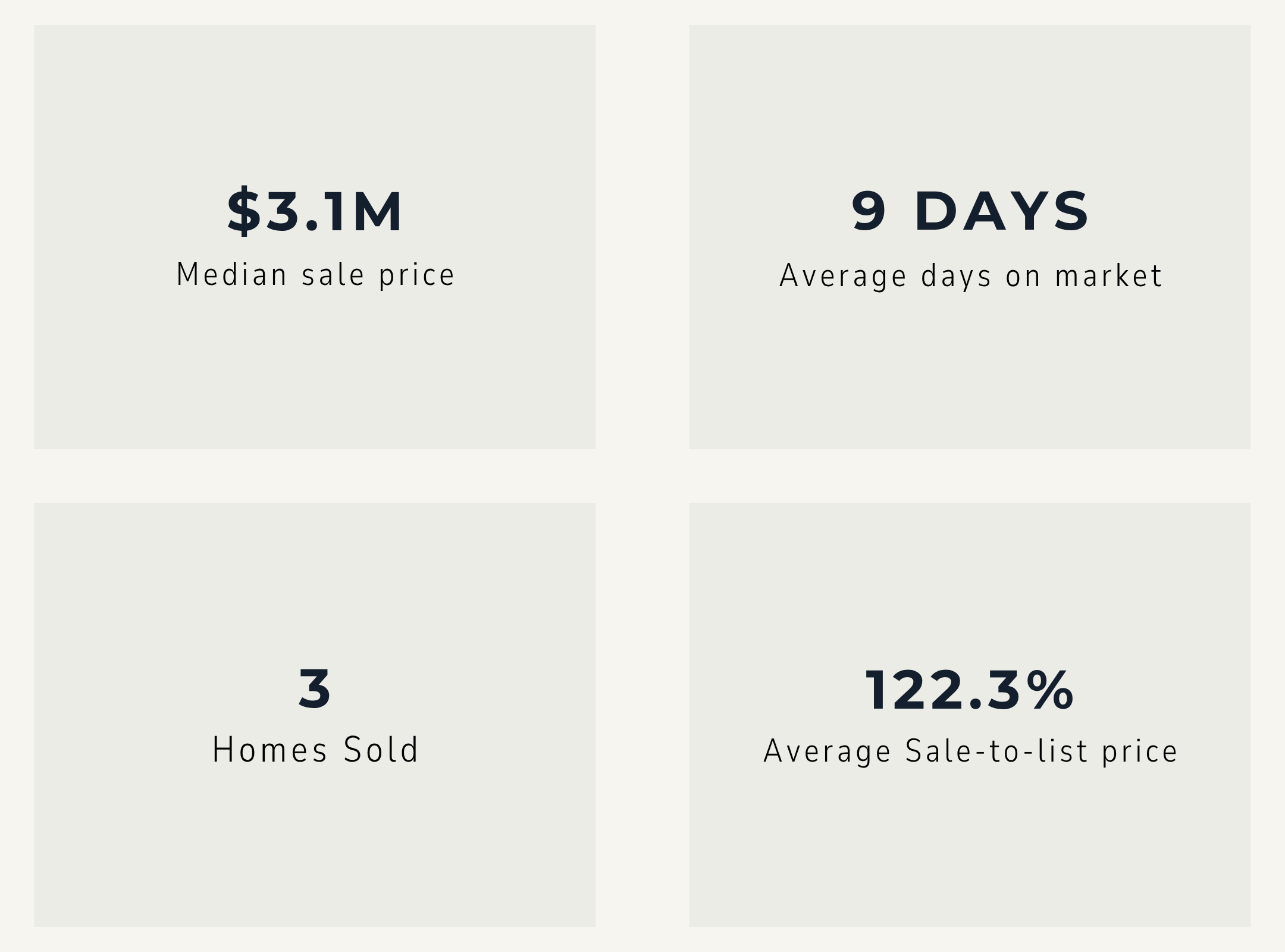
DIAMOND HEIGHTS CONDOMINIUMS
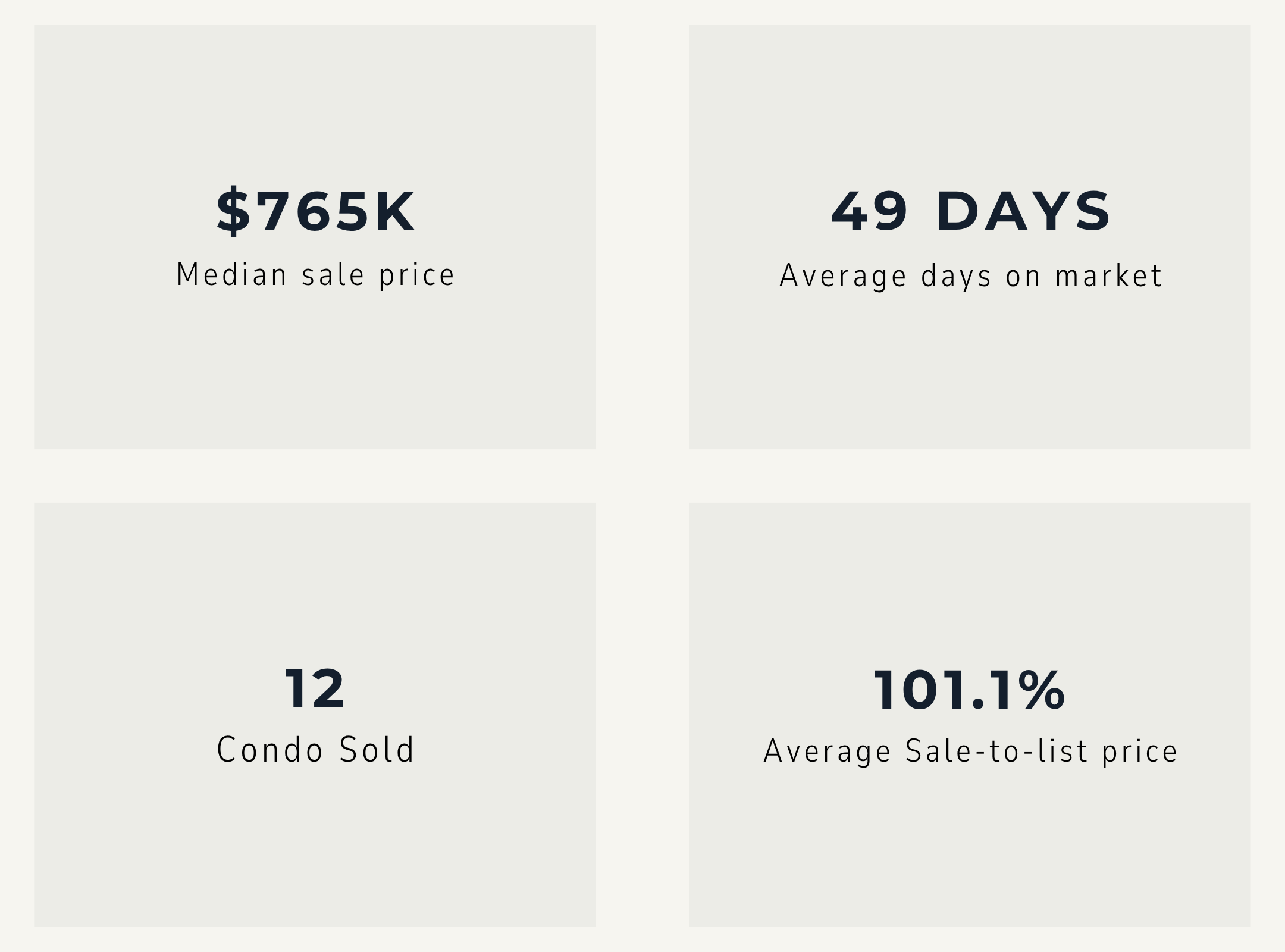
Diamond Heights remains a favorite for buyers looking for panoramic views, contemporary architecture, and a central location. Buyers are taking a little more time to make decisions, but interest remains strong for homes that stand out.
TWIN PEAKS
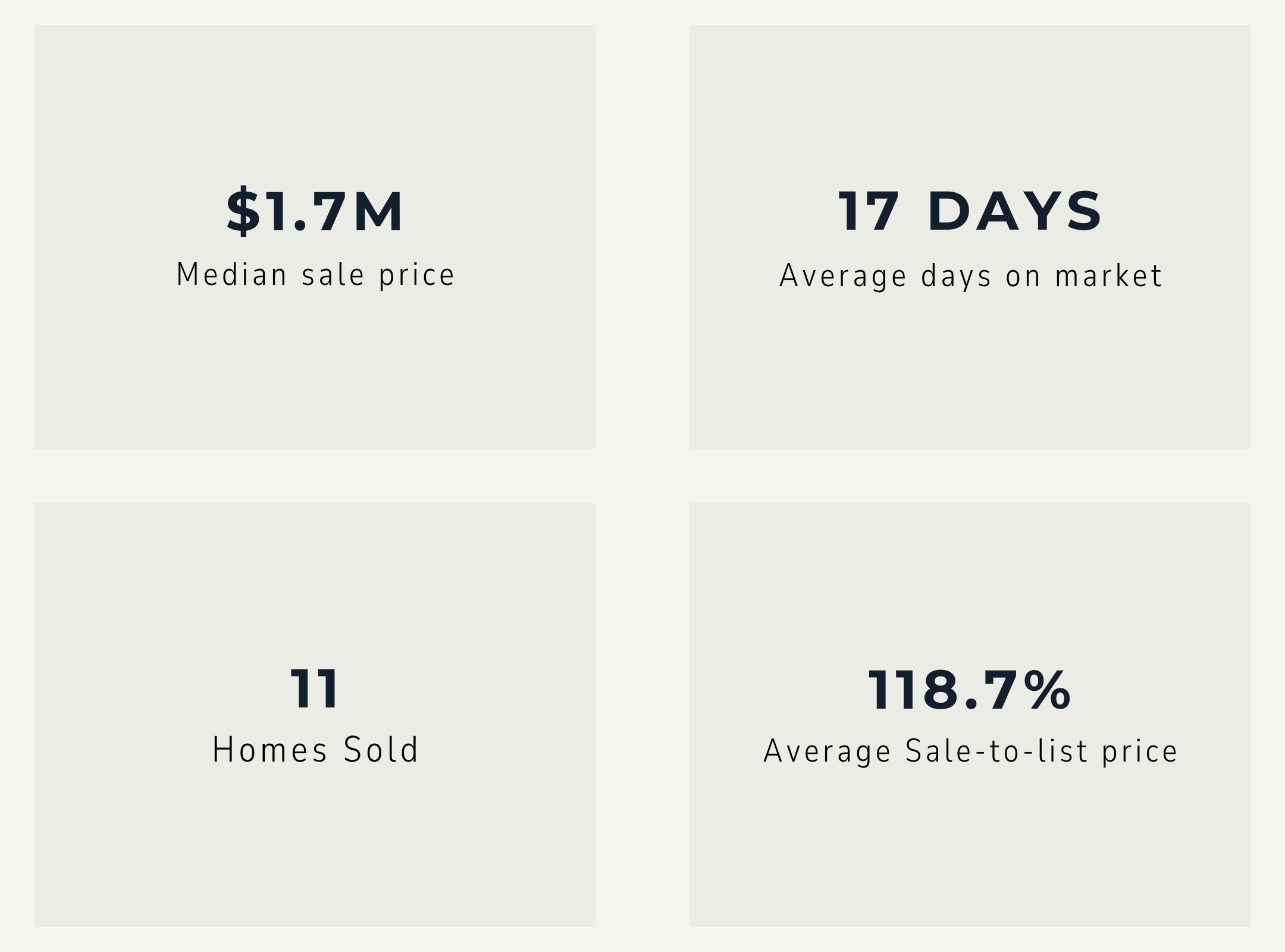
Twin Peaks continues to attract buyers seeking spectacular views, architectural character, and a setting unlike anywhere else in San Francisco. Because every home is unique, buyers tend to value distinctive design, privacy, and the dramatic outlooks that define the neighborhood.
What I’m Watching
One thing I'm paying close attention to is whether inventory begins to improve after Labor Day. Traditionally, the fall market brings a fresh wave of listings, but the last few years haven't followed many of the usual patterns.
Buyers remain active, and many are waiting for the right home rather than simply waiting for more homes. If inventory stays limited, I expect competition to remain strong for well-priced properties in many of our hillside neighborhoods.
*NOTE: Market statistics are derived from MLS data and are believed to be reliable but are not guaranteed. Neighborhood boundaries, property characteristics, and market conditions may affect individual results.