
Knowing What Not to Do: A Midtown Terrace Sale
A Case Study in Restraint
Most seller preparation conversations start with a list of things to do. New kitchen. Updated bathrooms. Fresh fixtures throughout.
Sometimes that's the right call. But one of the more useful things I've learned after 20 years in San Francisco is that the decision not to do something can matter just as much.
This is a story about a home where restraint was the strategy.
The Situation
36 Delbrook is a mid-century home in Midtown Terrace — a neighborhood I know well. The family had lived there for years. Red carpet downstairs, an aging kitchen, old wallpaper, and outdated systems. The kind of home where a buyer walks in and immediately starts discounting, whether or not those discounts are warranted.
The question wasn't just what to fix. It was what kind of buyer this home was actually for — and what they'd want to walk into.
What We Decided Not to Do
Before we touched anything, we made a conscious decision about the ceiling.
We didn't redo the bathrooms. We didn't open up the kitchen. We didn't try to impose a finished design on a home that the right buyer would want to make their own.
Because that buyer — and there's always a buyer for a well-positioned Midtown Terrace home — wouldn't want someone else's version of what the house could be. They'd want to make those decisions themselves. Trying to finish the home for them would have cost money, taken time, and potentially worked against us.
What We Focused On
We reset the home without reinventing it.
Refinished the original hardwood floors. Refreshed the kitchen without replacing it. Updated the electrical and heating systems. Cleared the space so it read cleanly and gave buyers room to see the bones.
Simple decisions. Executed intentionally. The goal was a solid, honest starting point — not a finished product.
The Buyer and the Outcome
The eventual buyers came through a city program, which brought a different kind of process — more structure, more time, and the need for patient sellers willing to work through it carefully.
As things came together, something worth noting happened: the buyers were able to participate in key finish decisions. They chose their own cabinetry and countertops rather than inheriting a predetermined design. They'll select their own lighting and plan to refresh the bathrooms after moving in.
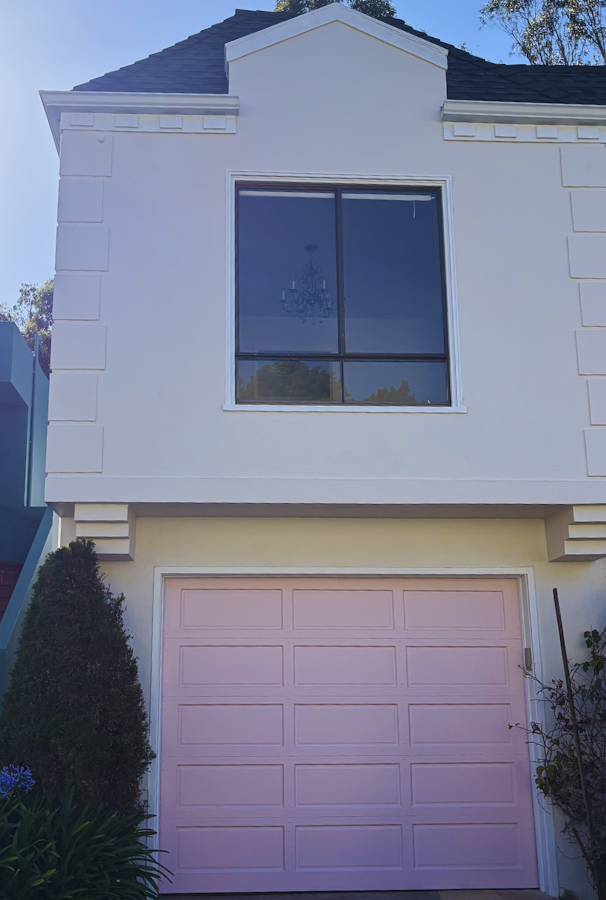
And they chose the garage door color themselves. Pink. Not something we would have planned — but exactly the kind of personal detail that makes a house feel like home.
We didn't try to finish the home. We gave the next family a great one to start from.
Two Different Homes, Two Different Approaches
Village in the Parkand Delbrook tell different stories — one about targeted preparation that drove an 11% over-asking result, one about restraint that left room for the right buyer to finish the work themselves.
Neither approach is universally right. The question is always which one fits the home, the neighborhood, the likely buyer, and what the numbers actually support.
That's the conversation worth having before you decide anything.
READ: Full Case Study — Selling a Dated Home Without Over-Remodeling
READ: Full Case Study — Preparing a Long-Time Home for Sale
Thinking about your own timing and options? Schedule a conversation with Gary.