
Forest Knolls
Quiet Streets. Mid-century roots. A hidden pocket of the city.
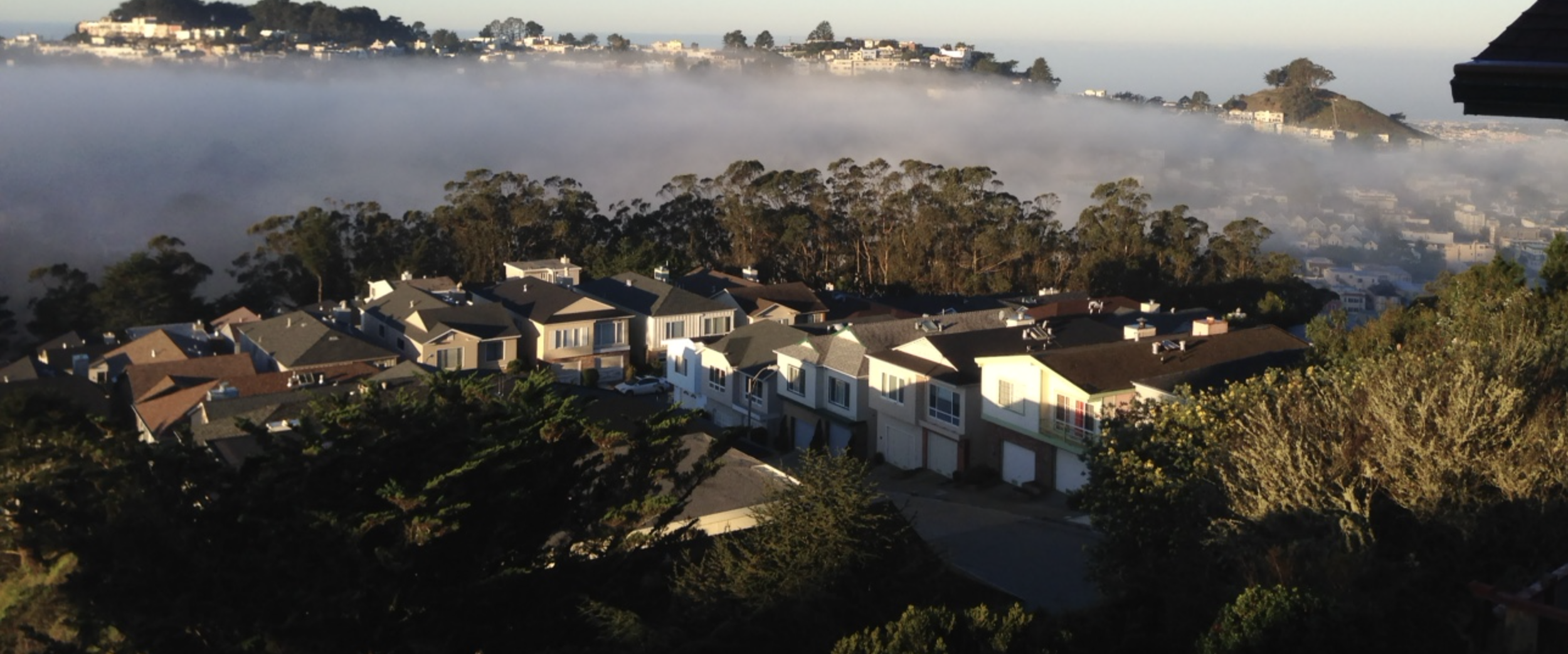
Tucked between Mount Sutro and Laguna Honda, Forest Knolls is one of San Francisco’s most understated neighborhoods — calm, green, and distinctly residential. Built largely in the 1950s, it offers mid-century homes, winding streets, and a sense of privacy that’s rare this close to the city’s core. This is a neighborhood people often discover by accident — and then quietly hold onto for decades.
Why Buyers Love Forest Knolls
A true residential feel
Forest Knolls feels removed from the noise of the city without being remote. Streets are quiet, traffic is minimal, and neighbors tend to stay put.
Mid-century architecture + larger lots
Many homes feature classic mid-century layouts, thoughtful orientation, and generous square footage compared to flatter parts of the city.
Immediate access to nature
Laguna Honda trails, Mount Sutro Open Space, and nearby greenbelts make it easy to step outside and feel surrounded by trees.
Central but discreet
Quick access to West Portal, Inner Sunset, UCSF, and major transit routes — without feeling like a pass-through neighborhood.
EXPLORE FOREST KNOLLS
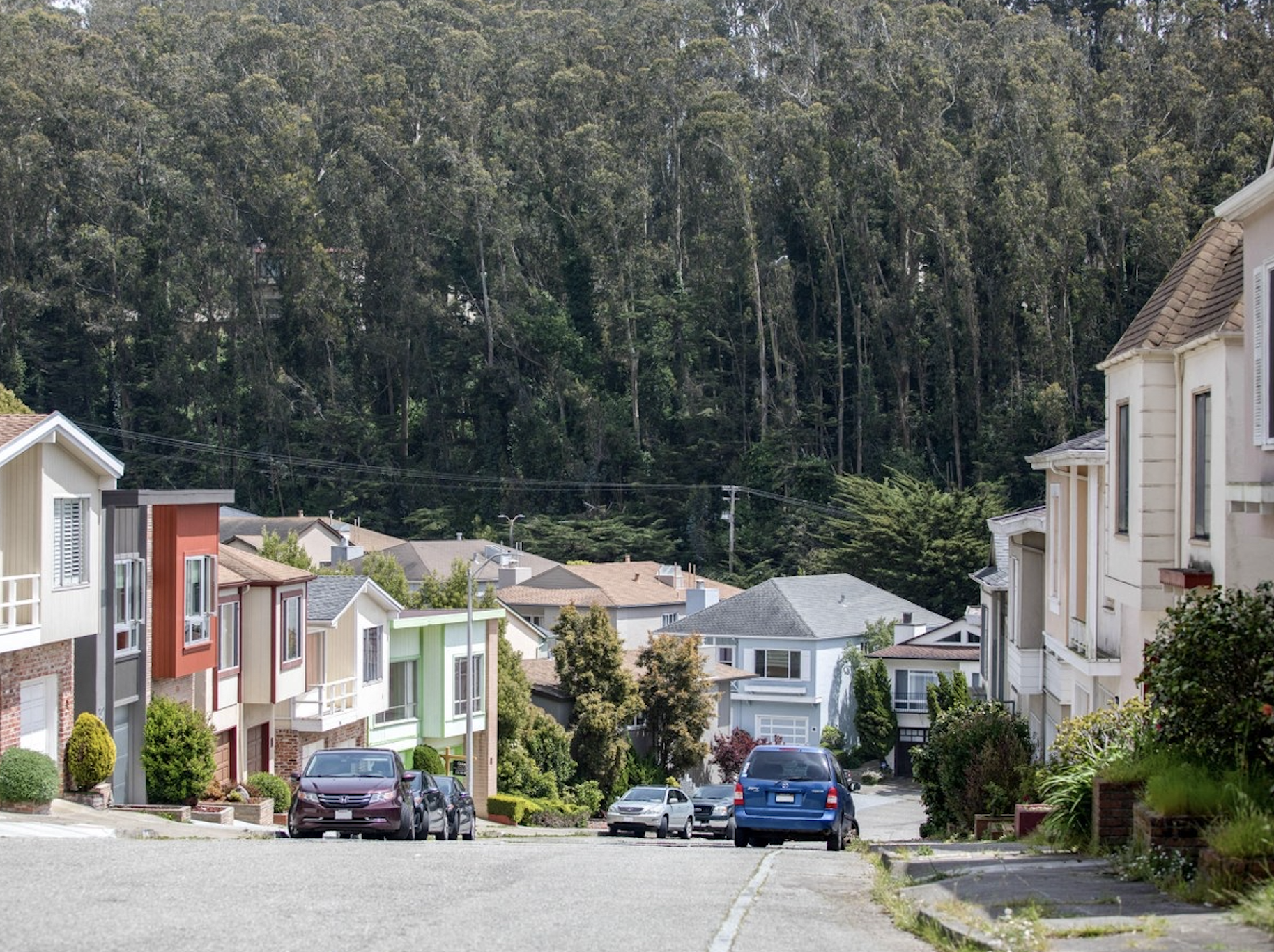
A tucked-away residential pocket between Mount Sutro and Laguna Honda, Forest Knolls blends quiet streets with a strong connection to nature. Built largely in the mid-20th century, the neighborhood is defined by mid-century homes, winding roads, and a sense of privacy that feels increasingly rare this close to the city.
Tree-lined streets, nearby trails, and shifting light through the canopy shape everyday life here. Whether you’re out walking Laguna Honda or enjoying the calm at home, Forest Knolls offers a steadiness that tends to last.
Market Snapshot
Forest Knolls is one of San Francisco’s most consistently stable and sought-after mid-century home markets. Its secluded feel, detached homes, greenbelt surroundings, and proximity to UCSF make it a standout for buyers seeking quiet, nature, and convenience.
Inventory is especially tight — homes here change hands infrequently, often remaining in families for decades. When properties do come to market, they draw strong demand from buyers coming from Noe Valley, Cole Valley, West Portal, and the Inner Sunset looking for more space, privacy, and a calmer setting.
TYPICAL HOME PROFILE
2–3 bedrooms and 1–2 baths
Garages with interior access
Private decks or modest terraced yards
Views of Sutro Forest, Twin Peaks, or the city
Average home size ~1,200–1,700 sq ft (with some expanded homes)
MARKET CHARACTERISTICS
Very low turnover + high buyer demand
Homes often sell quickly when priced well
Privacy + greenbelt surroundings = long-term value stability
Limited inventory makes this one of SF’s “hidden gem” micro-markets
Things That Matter in Forest Knolls
HOUSING & CHARACTER
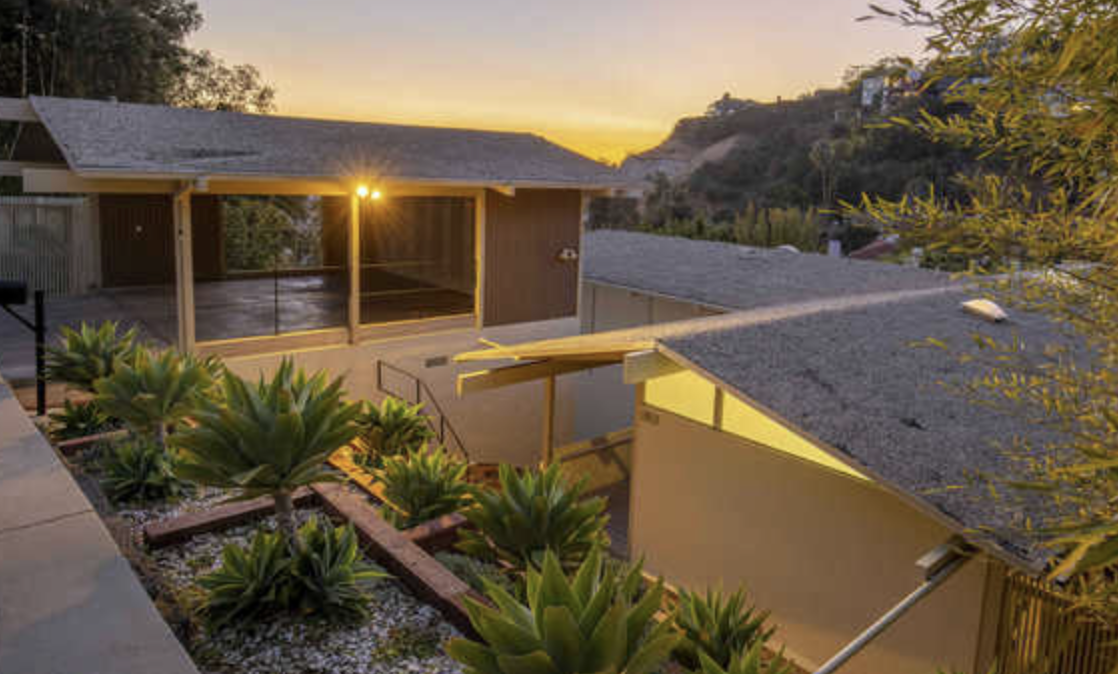
Forest Knolls is primarily made up of detached single-family homes built in the mid-20th century, many with classic mid-century design elements. Homes often sit on sloped or terraced lots and are oriented for light, privacy, and livability. Over time, many properties have been updated, blending original architecture with modern improvements while maintaining the neighborhood’s quiet, residential feel.
LOCATION & CONNECTIVITY
Forest Knolls sits between Mount Sutro and Laguna Honda, offering a tucked-away residential setting with surprisingly easy access to the rest of the city. From here, West Portal, the Inner Sunset, UCSF, and multiple transit routes are all close at hand, making daily errands and commutes straightforward. It’s a neighborhood that feels quietly removed, yet remains well connected to San Francisco’s core.
IRL: In Real Life
Forest Knolls is a hillside neighborhood, which means understanding how a home meets the land is essential. Drainage patterns, foundation type, retaining walls, and roof exposure all play an important role in long-term performance and maintenance. Fog and moisture can vary street by street, and prior upgrades — particularly seismic, electrical, and water management improvements — often distinguish the strongest opportunities. Buyers who take the time to evaluate structure and systems tend to feel the most confident here over the long run..
Written by Gary Snow, San Francisco real estate advisor with 20+ years of experience across the city’s hillside neighborhoods.
Forest Knolls Explained
A closer look at how the neighborhood actually lives — and how pricing reflects it.
Forest Knolls: The In-Between Neighborhood That Feels Like Its Own World
If you’ve ever looked at a map of San Francisco and thought, “This feels like it belongs somewhere else,” you’re not wrong — and that’s exactly what makes Forest Knolls so interesting.
Forest Knolls sits in a quiet pocket just south of Mount Sutro, wedged between neighborhoods that feel more familiar and more clearly defined. It borrows pieces from several parts of the city, but never quite resolves into any one of them. And that ambiguity is part of its appeal.
A Neighborhood without a single point of reference.
Forest Knolls doesn’t have a commercial strip, a central plaza, or a “main drag” you orient yourself around. Instead, it unfolds as a series of winding residential streets climbing the hillside. Homes feel tucked into the landscape rather than arranged on a grid.
That’s why people often say it feels like it should be part of Cole Valley, Inner Sunset, or even Midtown Terrace — but it isn’t quite any of those. Forest Knolls quietly pulls from all three.
Like Cole Valley, it’s close to UCSF and Mount Sutro’s greenbelt
Like Inner Sunset, it has fog-softened light and a residential calm
Like Midtown Terrace, it offers elevation, views, and a sense of retreat
A Surprisingly Diverse Mix of Homes
One of the most underappreciated aspects of Forest Knolls is its housing diversity.
Within just a few blocks, you’ll find:
Mid-century homes with open floor plans and hillside decks
More traditional single-family houses with formal layouts
Condos and townhomes tucked into small, well-kept developments
Properties with expansive views sitting next to homes that feel more sheltered and private
There’s no single architectural “rule” here, which makes pricing more nuanced — and buying opportunities more interesting. Two homes of similar size can live very differently depending on light, outlook, and how the house interacts with the slope.
A Sense of Separation Without Isolation
Forest Knolls often surprises people with how quiet it feels given its central location. Once you’re home, the city recedes. Traffic noise fades. The streets feel residential and calm.
And yet:
West Portal shops and cafés are minutes away
Inner Sunset dining and transit are close by
Downtown, Noe Valley, and the Peninsula are all accessible without much friction
It’s a neighborhood that feels removed without being remote — a rare balance in San Francisco.
Why Buyers Are Drawn Here
Forest Knolls tends to attract buyers who:
Want breathing room without leaving the city
Value layout, light, and function over trend-driven finishes
Appreciate neighborhoods that feel lived-in rather than performative
Are willing to trade a retail corridor for quiet and greenery
It’s not flashy. It doesn’t announce itself. But for the right buyer, it feels instantly grounding.
The Through-Line: How It Lives
What ultimately defines Forest Knolls isn’t a single feature — it’s how the neighborhood lives.
Homes here tend to be:
Thoughtfully oriented to light and views
Designed for daily life, not just curb appeal
Positioned to feel private without feeling cut off
Forest Knolls may not fit neatly into San Francisco’s usual neighborhood narratives, but that’s exactly the point. It’s an in-between place — and for many people, that makes it feel just right.
How Pricing Reflects the Neighborhood’s Diversity
Forest Knolls doesn’t trade as a single, uniform market. Pricing here tends to cluster based on how a home lives — not just size or finishes — and where it sits on the hillside.
Lower Forest Knolls: Accessibility + Function
Homes closer to Clarendon Avenue and the Inner Sunset edge tend to trade at the more approachable end of the Forest Knolls range.
Typical characteristics:
Easier access in and out of the neighborhood
More modest outlooks, but better walkability
Condos, townhomes, and smaller single-family homes
Recent pricing often reflects:
Condos / townhomes: mid–$900Ks to low–$1.3Ms
Smaller single-family homes: mid–$1.5Ms to high–$1.7Ms
These properties appeal to buyers who want Forest Knolls’ calm but don’t need big views or extra scale.
Mid-Slope Homes: The Sweet Spot
This is where Forest Knolls starts to feel distinctly “Forest Knolls.”
Homes here often offer:
Better light and partial outlooks
More separation from street activit
Thoughtful mid-century layouts or well-updated traditional homes
Typical pricing range:
High–$1.7Ms to low–$2.1Ms, depending on layout, light, and condition
This is often the most competitive segment of the neighborhood — buyers feel they’re getting meaningful upside without jumping to the top of the market.
Upper Forest Knolls: Views, Privacy, and a Premium
Homes higher up the hill — especially those with direct outlooks toward Mount Sutro, Twin Peaks, or the western horizon — consistently command a premium.
Common features:
Strong natural light and open skies
Decks or terraces designed around views
A greater sense of retreat and privacy
Pricing here typically lands:
Low–$2Ms to mid–$2.4Ms+, with standout properties pushing higher
At this level, buyers are paying less for square footage and more for how the home feels day to day.
Why Two Similar Homes Can Trade So Differently
One of the most confusing — and interesting — things about Forest Knolls is how two homes of similar size can sell hundreds of thousands of dollars apart.
The difference usually comes down to:
Outlook and orientation to light
How well the layout works for daily life
Whether the home feels finished or leaves work for the next owner
Privacy and relationship to the street
Forest Knolls rewards homes that feel complete, functional, and well-sited — even if finishes aren’t luxury-level.
What This Means for Buyers (and Sellers)
For buyers, Forest Knolls offers real choice. You can trade views for value, or scale for light, or privacy for proximity — and still stay within the same neighborhood.
For sellers, it means pricing strategy matters more than averages. Forest Knolls homes perform best when they’re positioned based on how they live, not just what nearby homes sold for.
Forest Knolls Market Insights
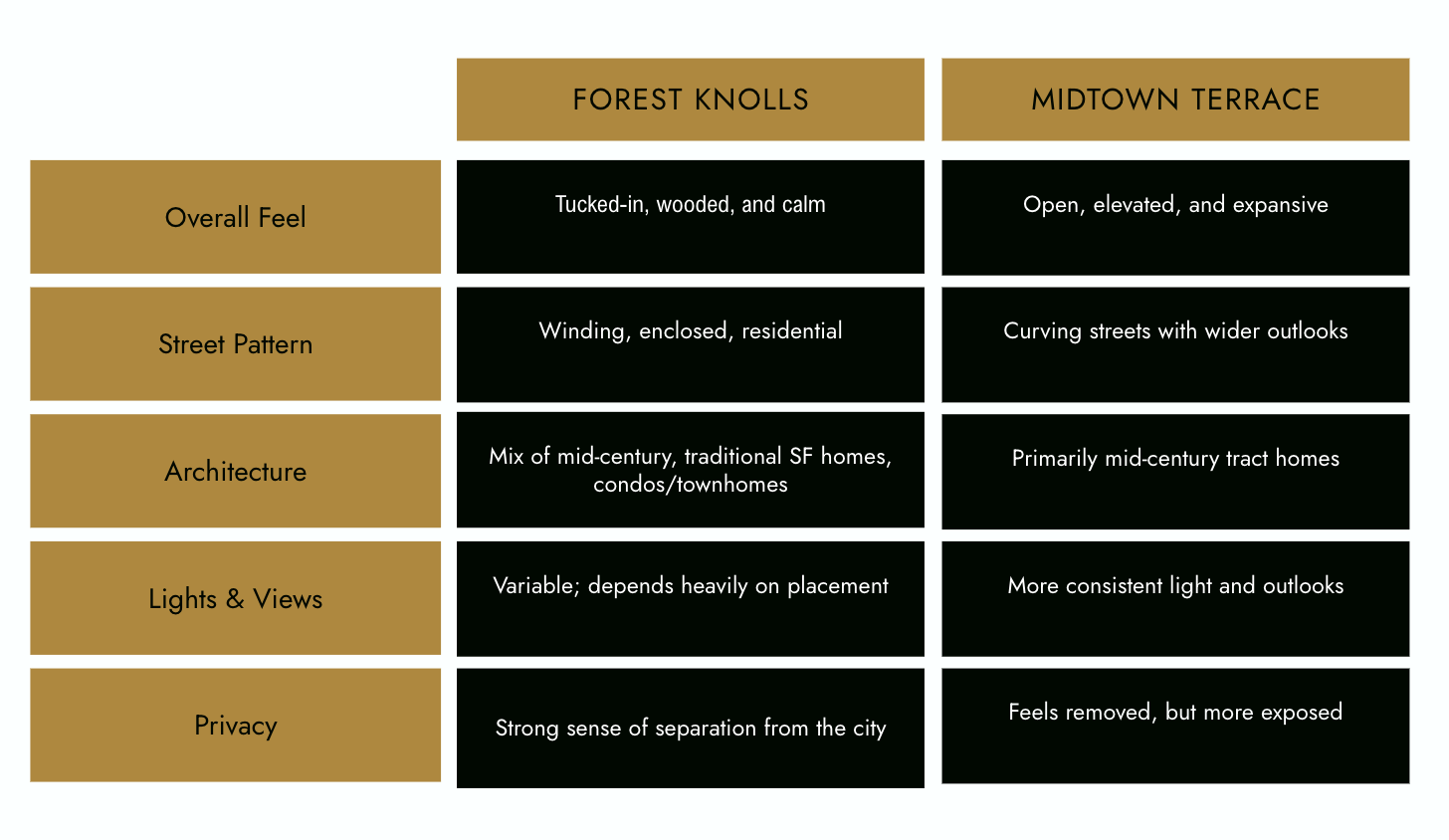
Forest Knolls vs. Midtown Terrace
Buyers often compare Forest Knolls and Midtown Terrace because both offer elevation, privacy, and a quieter residential feel. While they share some similarities, they live very differently.
Gary’s Perspective
I’ve worked in Forest Knolls for many years, and it’s a neighborhood I often return to for buyers who value quiet streets, privacy, and long-term livability. Tucked between Mount Sutro and Laguna Honda, it has a distinctly residential feel — mid-century homes, limited through-traffic, and a sense of calm that’s increasingly rare in central San Francisco.
What draws people here isn’t visibility or buzz. It’s the steadiness. You’re surrounded by green space and trails, yet still well connected to West Portal, the Inner Sunset, UCSF, and major transit routes. For the right buyer, Forest Knolls offers structure, balance, and a way of living that tends to endure.
Gary Snow is a San Francisco real estate advisor with 20+ years of experience working across the city’s hillside neighborhoods.
Explore other nearby neighborhoods: Midtown Terrace | Diamond Heights | Glen Park